Thursday, February 21, 2019

February Newsletter: Understanding How the Cloud Works


How will you recover after a cyber incident?


Dark web Trends

This week, Dunkin’ faces a 2nd credential stuffing attack, a Canadian photo-sharing platform discovers hack, a French cybersecurity society is compromised and Australian property data is leaked.
Dark Web ID Trends:Top Source Hits: ID Theft Forums (99%) 
Top Compromise Type: Domain (99%)
Top Industry: Medical and Healthcare
Top Employee Count: 1 - 10 Employees (94%)

What is the importance of written security policy?


Written policy is essential to a successful cybersecurity program.  Without it, employees can misbehave and get away with it.  Response and recovery times in the event of a cyber incident will be drastically longer.  The mindset of leadership will not be set in stone.  Policy guides employee behavior, establishes leadership’s attitude toward cybersecurity, and addresses how data is to be stored, processed, and protected.

United States - Valley Hope Association

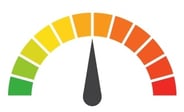
extreme gauge
Exploit: Database leak.
Valley Hope Association: Kansas-based group of addiction treatment centers.
Risk to Small Business: 1.777 = Severe
Customers Impacted: 70,000 patients.
>> Read full details on our blog. 

Wednesday, February 20, 2019

How secure is your password?


How to save your IT system from its own users: Zero Trust Browsing

How to save your IT system from its own users: Zero Trust Browsing
2017: The Year of Cryptojacking. 2018: The Year of Ransomware. 2019? It’s shaping up to be the Year of Phishing.
Historically, we’ve labeled phishing as a nuisance that only a select few fall for. However, the increasing sophistication of social engineering, along with a gradual evolution of phishing techniques, have leveled the game. For example, hackers have realized the importance we place on SSL certification, and have found ways to exploit it in order to give us a false sense of reassurance. Browsers such as Edge, Chrome, and Firefox have created advanced filtering techniques, but they are still unable to identify 10-25% of phishing sites...